
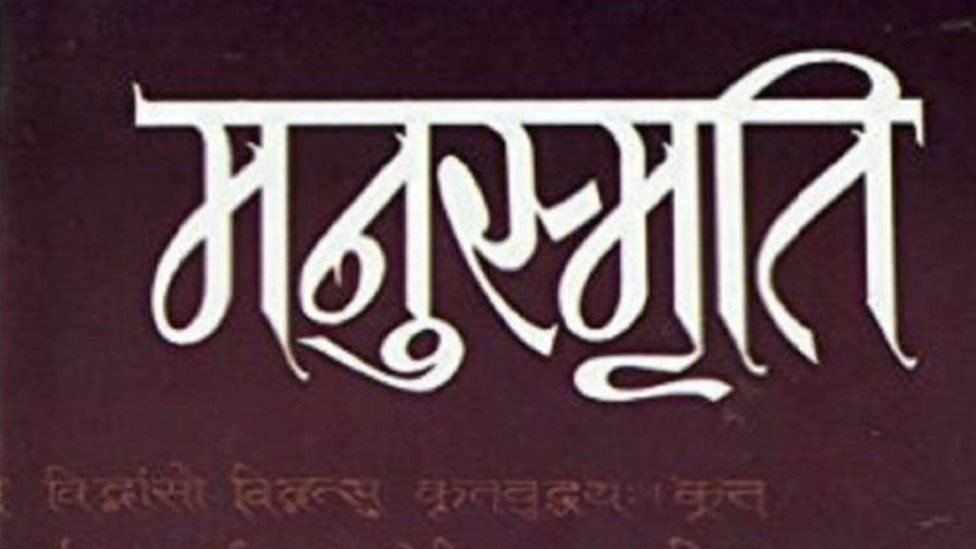
The Manusmriti, also known as the Mānava-Dharmaśāstra or the Laws of Manu, is an ancient Sanskrit legal and ethical text of Hinduism. Composed between approximately 200 BCE and 200 CE, it is the most authoritative and well-known of the Dharmaśāstras (treatises on duty and law).
Core Structure & Content
The text consists of 2,694 verses divided into 12 chapters. It covers a vast range of topics:
- Cosmology: The origin of the world and the creation of the four varnas (social classes).
- Dharma: Defining the duties, rights, and conduct for individuals based on their social status and stage of life (ashrama).
- Law & Governance: Guidelines for kings, administration of justice, and civil/criminal laws (e.g., property, marriage, inheritance).
- Ethical Tenets: Ten core virtues of dharma: patience, forgiveness, self-control, honesty, sanctity, control of senses, reason, knowledge, truthfulness, and freedom from anger.
Historical Significance
Historically, the Manusmriti served as a primary social manual, influencing legal systems across India and parts of Southeast Asia (such as Cambodia and Indonesia). During the British Raj, it was the first Sanskrit text translated into English (by Sir William Jones in 1794) to help codify “Hindu Law” for colonial administration.
Modern Criticism & Controversy
In contemporary times, the Manusmriti is a subject of intense debate and criticism:
- Caste Hierarchy: It is criticized for reinforcing a rigid, birth-based Varna system that grants privileges to upper castes while prescribing harsh punishments for lower castes, specifically Shudras and Dalits.
- Gender Bias: Many verses are condemned for promoting patriarchy and denying women independent agency, stating they must always be under the protection of a male relative.
- Symbol of Protest: Notable figures like Dr. B.R. Ambedkar publically burned the text in 1927 as a protest against social injustice and caste-based discrimination.
While some scholars view parts of the text as later interpolations (additions), it remains a critical historical document for understanding ancient Indian social philosophy