
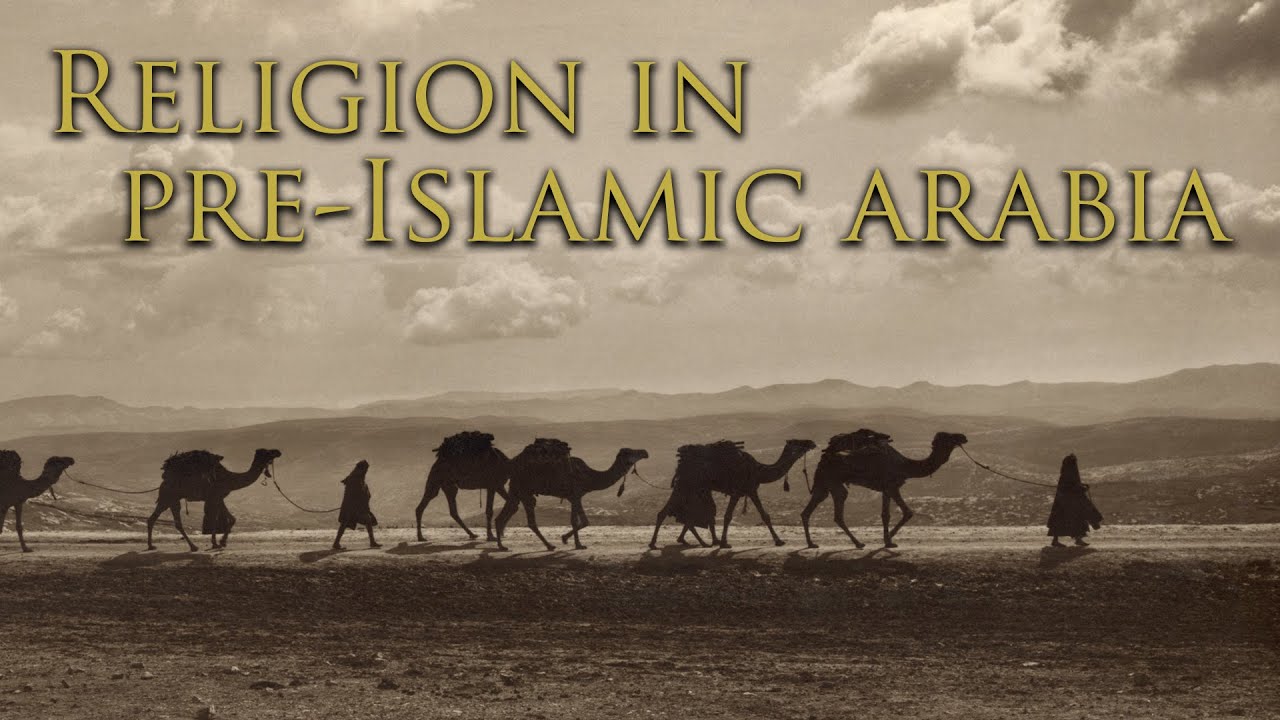
Pre-Islamic Arabian religion was a blend of indigenous polytheism, animism, and, from the 4th century onwards, increasing influence from Judaism, Christianity, and Iranian religions. Most tribes worshiped multiple deities (sometimes 360+), often localized or associated with nature, while honoring supreme gods like Hubal, Allāt, Al-ʿUzzá, and Manāt, primarily at shrines like the Kaaba in Mecca.
Key Aspects of Ancient Arab Religion:
- Polytheism and Idolatry: The dominant belief system before the 7th century involved worshiping idols housed in shrines, with many gods associated with heavenly bodies.
- Major Deities: Hubal was the chief deity in Mecca. The “three daughters of Hubal” (or Allah) were highly revered: Allāt (underworld), Al-ʿUzzá (fertility/war), and Manāt (fate).
- Role of Allah: Some evidence suggests Allah was recognized as a high creator deity or a general title for a major god within the polytheistic system, though not the sole object of worship.
- Rituals: Practices included pilgrimages to shrines (like the Kaaba), animal sacrifices (camels, sheep), and the veneration of sacred stones or trees.
- Monotheistic Influences: By the 5th and 6th centuries, Christianity was strong in Southern Arabia (Najran) and among border tribes, while Jewish tribes lived in areas like Yathrib (Medina).
- Jinn: Belief in supernatural beings, or jinn, was a common aspect of the traditional worldview.
Click below to Read/View