
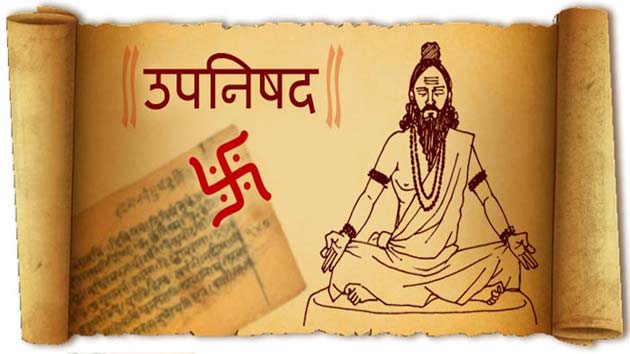
The Upanishads are ancient Indian texts that explore philosophy, spirituality, and Brahma-vidya (supreme knowledge).Also called Vedanta(the end or conclusion of the Vedas), they focus primarily on the unity of Atman (Self) and Brahman (Ultimate Reality). The 108 major Upanishads (such as Isha, Katha, Mundaka) describe the path to self-knowledge and liberation, based on spiritual knowledge and meditation.
Meaning and key points of Upanishads in English:
- Meaning: ‘Upanishad’ literally means “to learn by sitting near” (sitting near).
- Philosophical basis: These texts move away from rituals and seek self-realization and knowledge.
- Key Upanishads: Although there are over 100 Upanishads, Isha, Kena, Katha, Prashna, Mundaka, and Mandukya are considered the most important.
- Core Teachings:
- Atman and Brahman: Atman and Brahman are one and the same (Unity of Brahma and Atman).
- Pancha Kosha: The human body and consciousness are considered to be composed of five koshas (sheaths).
- Om (ॐ): Om is considered a symbol of universal truth and knowledge.
- Significance: The Upanishads emphasize personal experience, not just intellectual knowledge, and are also called “secret teachings”.
Click below to Read / view Publication:
Copyright with Author